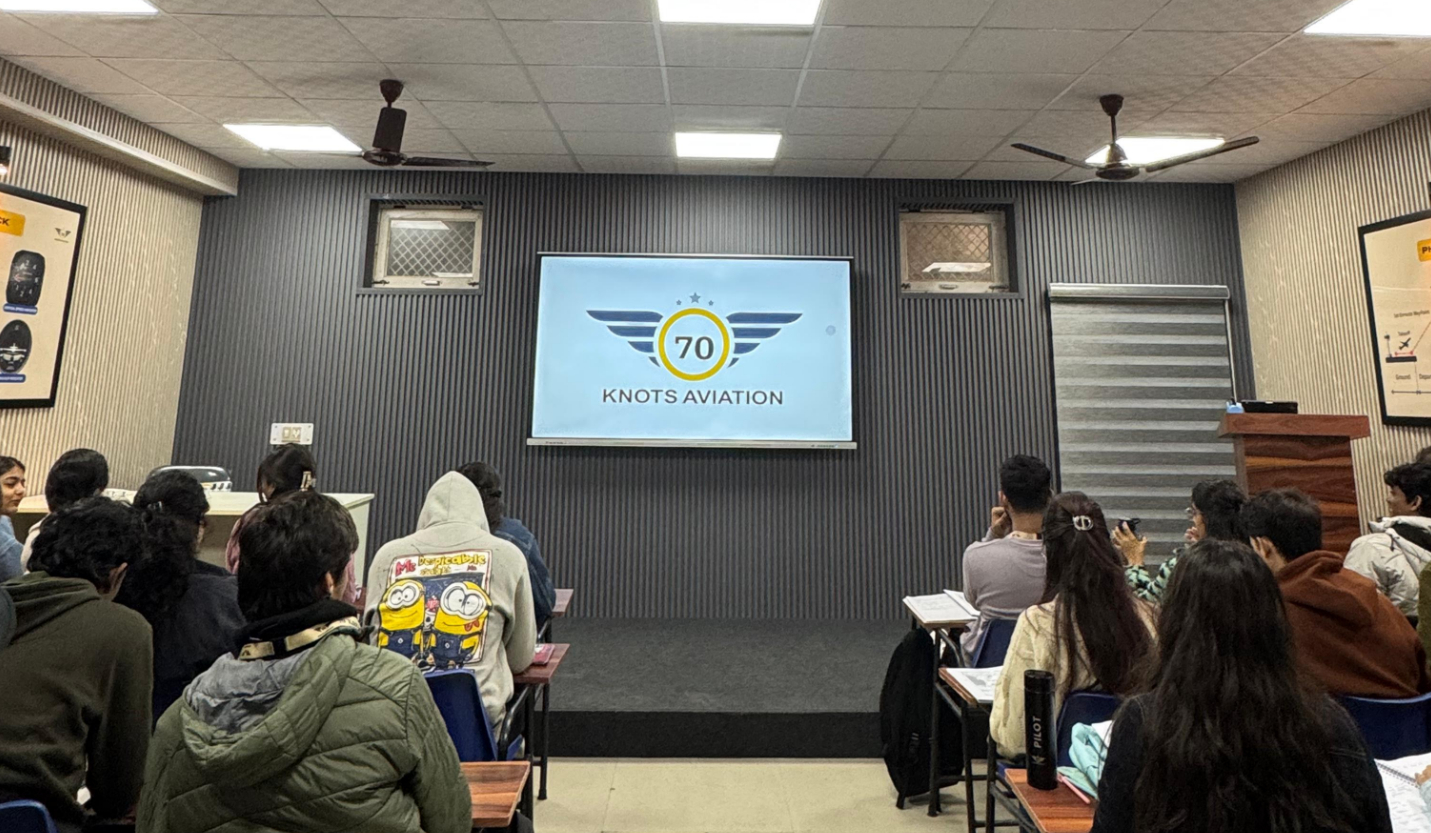
Do you have a passion for flying? So do others! To become a pilot is not just a career choice but also a manifestation of passion and dedication. In light of the demand for pilots in the aviation sector of India, it becomes all the more pertinent. While there are many steps involved in becoming a pilot, one that is crucial. This is where a trusted aviation training institute, 70 Knots Aviation, comes in. 70 Knots Aviation helps aspiring pilots check eligibility and prepare for the DGCA exam.
This career guide will help anyone, from a tenth grader to a recent graduate to those thinking of a career change.
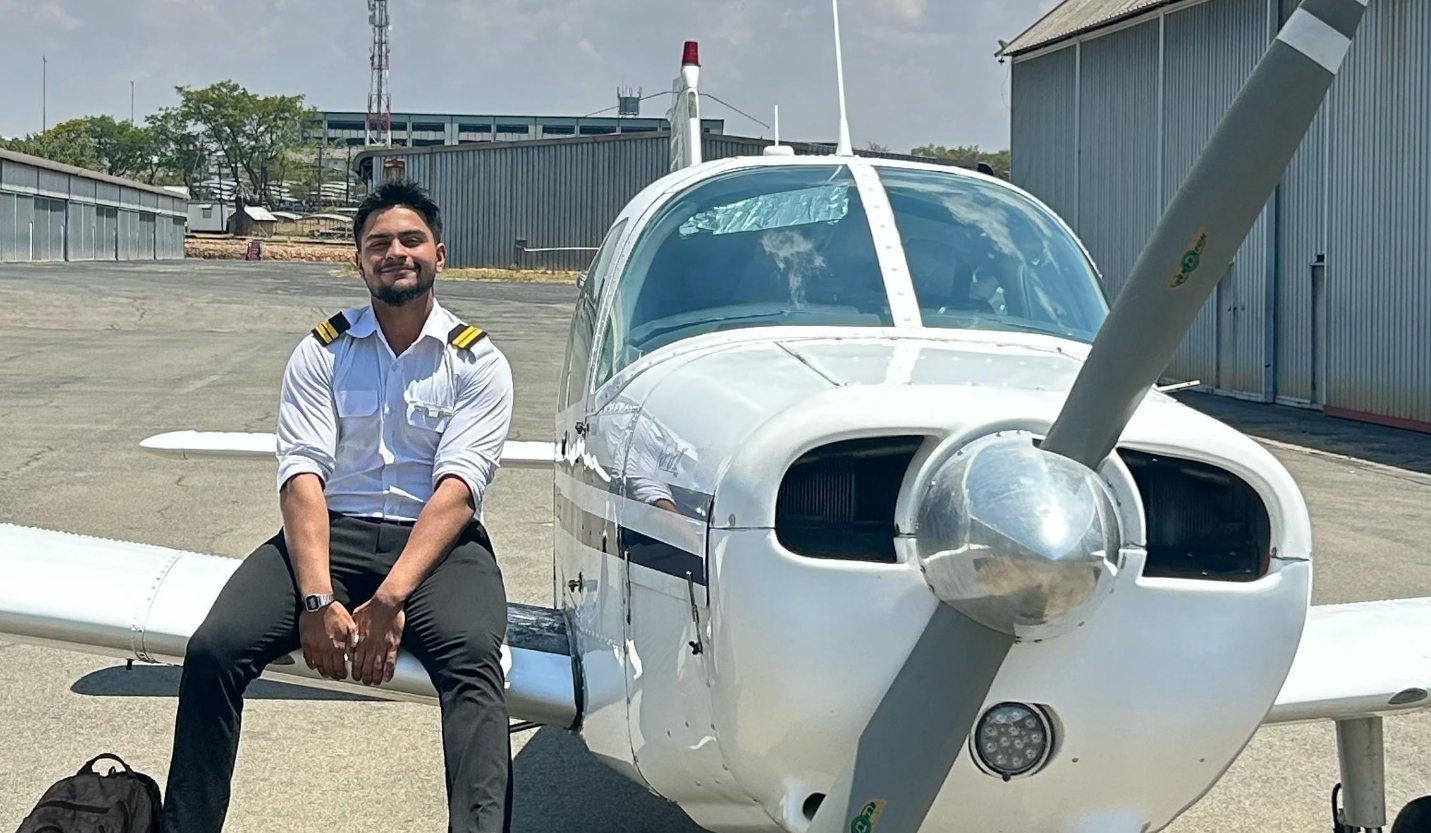
A pilot career combines the best of both worlds. Most importantly, there are a lot of new opportunities that arise every year with the growing fleets in the Indian commercial aviation sector. Another key consideration is the earning potential. The years and hours that you put into flying pays off. The more experienced you are, the more compensation you receive. The opportunities you receive as a pilot are not limited to India, as long as you receive your CPL, you will also have the opportunity to pursue a pilot career internationally. If you love the freedom and thrill of flying, you will not only enjoy the career, but also the accomplishment and satisfaction that comes with it. If you feel strongly about pursuing a structured career plan with us, 70 Knots Aviation can help you achieve your goals.
The steps are as follows:
Aviation is a passion driven career and we at 70 Knots Aviation understand this. We hope to support you through every step of your pilot career journey.
12th graduates with Physics, Chemistry, and Maths (PCM), can meet the requirements to apply for a Commercial Pilot License (CPL) training with an added advantage.
Missing Math and Physics are not barriers to becoming a pilot. Alternative courses are available through several recognized boards. The usual admission formalities include the submission of a record of your continuous assessment, the passing of the DGCA medicals, enrollment in ground classes and the commencement of the flight training.
Your 12th grade route to becoming a commercial pilot takes an average of 2 to 3 years and includes ground school, flight training and the DGCA exams. 70 Knots Aviation prepares an individualized route plan to ensure you are aware of the upcoming steps in your plan.
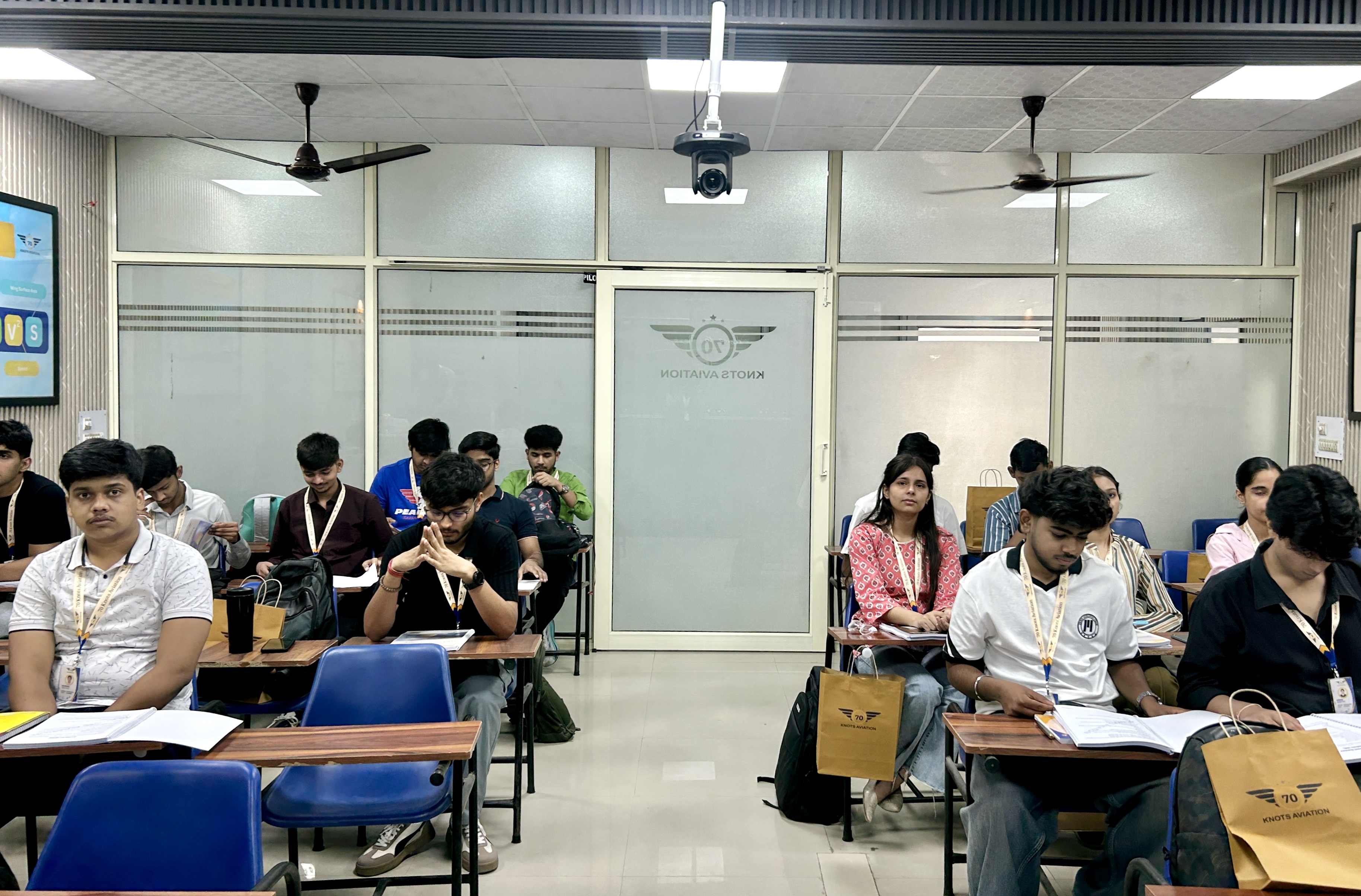
It is common for people to start their airline pilot career after graduation and is indeed possible.
While the eligibility criteria has not changed, now your subjects in the 12th have to include Physics and Mathematics. It is likely that you have gained a higher level of maturity and better financial planning, which is an added advantage of starting your career later. Get your DGCA medicals done first, and then opt for a flight school that offers classes compatible with your schedule.
The procedure remains the same, ground classes, flight training, DGCA exams and obtaining the CPL, just at a later stage of your life.
Learning how to become a pilot with commerce stream is a viable option for commerce students who want to pursue a career in aviation. While it is a requirement to have studied the subjects of Physics and Mathematics, it is possible for students in the commerce stream (with the help of open schooling or other equivalent boards) to have completed these subjects.
This is not the only step in the process of learning how to become a pilot. Commerce students must undergo a medical examination approved by the Directorate General of Civil Aviation (DGCA) to enroll in a flying school and undergo the mandatory training to obtain a Commercial Pilot License (CPL).
Since there are many steps to this process which are time consuming, it is best to begin the process as soon as possible. 70 Knots Aviation assists commerce students in plotting the best possible course for the students and helps students keep their focus and avoid distractions.
Every individual who wants to pursue a career as a pilot must meet the same requirements. In an attempt to increase the ratio of women in flying training, some institutes offer scholarships and other assistance although they are not consistently available. The career growth of women who become pilots and men who become pilots is the same. The promotions and seats in the airline are the same for both genders. There are many opportunities for women who become pilots after their 12th to pursue a flying career since the aviation industry is in great need of pilots.
For the most part, it is not the question of how long it takes to become a pilot but the question of how much effort, dedication and commitment you are willing to devote. Becoming a pilot requires extensive training. The duration is usually 18 months to 3 years to complete the training, considering the ground classes, the actual flying hours, and the examinations. It is difficult to complete the required flying hours due to the availability of the weather and the availability of the aircraft, in addition to the requirement to undergo the DGCA exams which often lots of people take multiple attempts. Having a realistic expectation for a possible timeline on the first day is much more helpful than being overly optimistic and saving frustration in the long run.
What influences the cost of pilot training? It is impractical to give a cost estimate when training establishments are in multiple locations, and have many variations in the offerings, but some of the major cost components are:
There is a widely varying cost to become a pilot, but at 70 Knots Aviation, we offer cost guidance so you can plan ahead and avoid frustration.
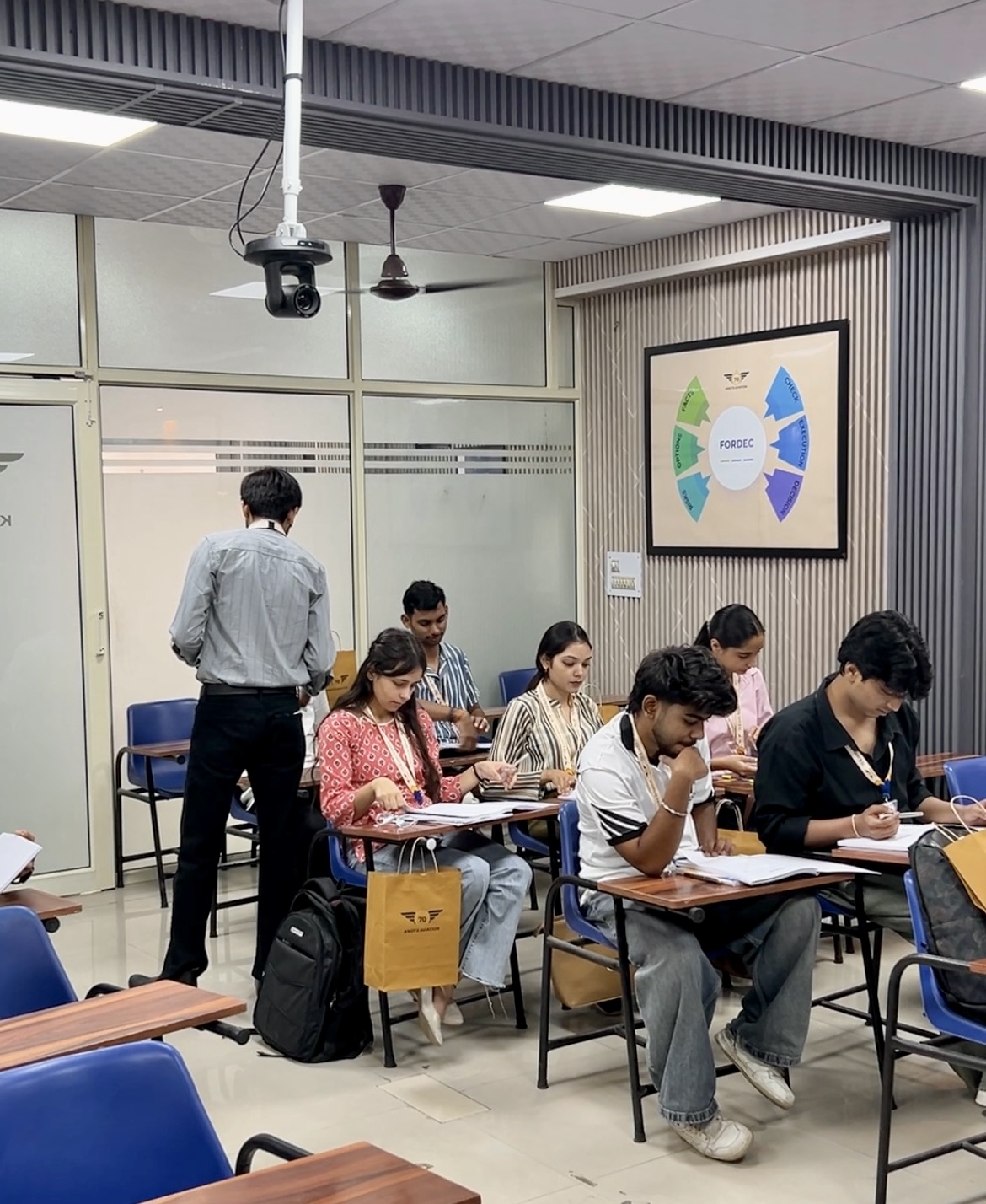
The assistance you receive is not limited to your admission. Career guidance, admission advice, DGCA help and the development of structured studies is what we do. Student mentoring means you will no longer have uncertainty and the answer you need will always be provided.
Pilots have the opportunity to enjoy a long, fulfilling career, if they have the necessary tools to start their career. It doesn't matter if you are in school, have already graduated, or even if you are thinking about a career change, there is an option for you. The need for well-trained pilots is high and the opportunity to start your career is NOW. Don't do this alone; for career advice focused on aviation and scheduled ground school, contact 70 Knots Aviation. Your dream job is waiting for you, so reach out to 70 Knots Aviation to get your career in Aviation flying.
Sign up for our DGCA Ground Classes and find out more about our CPL Training. Read more on our About Us page or Contact Us directly to get in touch with one of our 70 Knots Aviation counsellors.